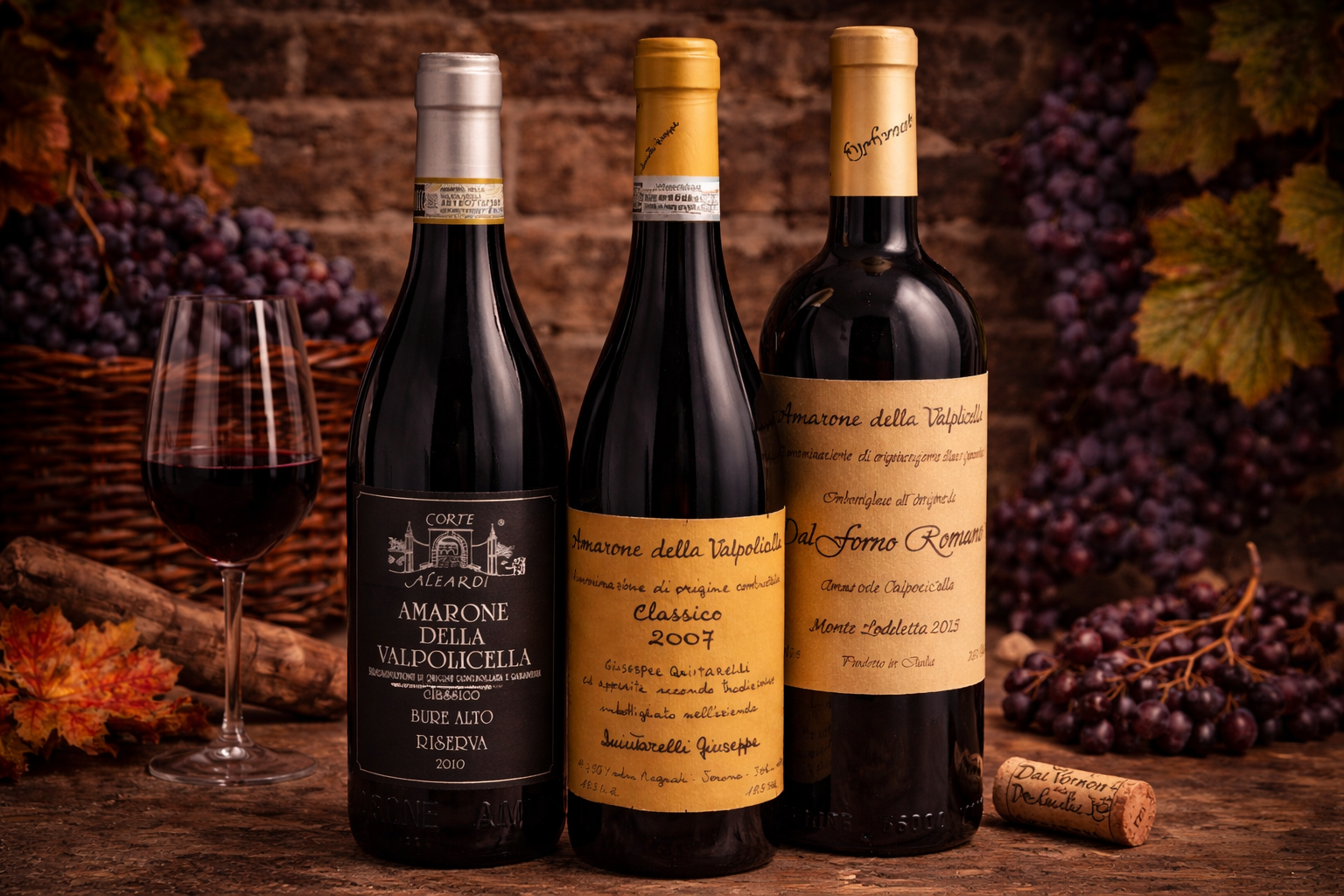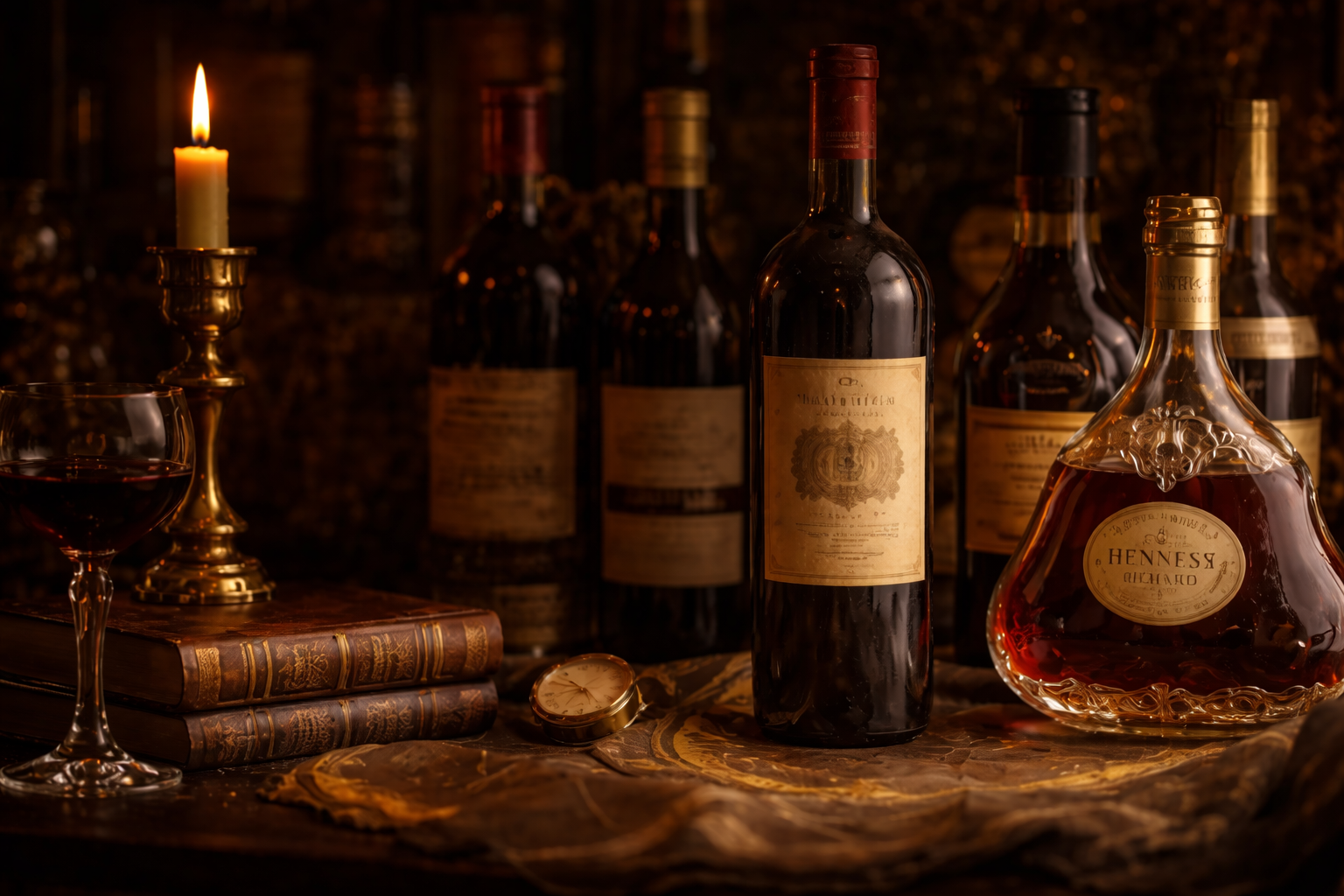

What makes a spirit truly rare?
Rare spirits attract attention for one simple reason: they are difficult to replace. A bottle distilled decades ago represents a fixed moment in time. Once it is consumed, its gone forever.
Still, the word rare is often overused. Not every old bottle qualifies as collectible. True rarity is shaped by several measurable factors that together determine whether a spirit is simply aged or genuinely scarce.
Below you will find a clear explanation of what defines a rare spirit, why certain decades are frequently mentioned in collector circles and how to evaluate long term desirability.
Defining rarity in spirits
A rare spirit is a distilled alcoholic beverage that has limited availability due to a combination of age, production volume, survival rate, historical context and collector demand.
Rarity is not created by branding language. It develops naturally over time. The fewer bottles that remain in good condition, the stronger the perception of scarcity becomes.
Collectors typically associate rare spirits with categories such as cognac, armagnac and vintage rum, especially bottles produced in the mid twentieth century.
1. Age and vintage year
Age plays an important role because it limits supply. A spirit distilled in 1964 or bottled in 1972 cannot be recreated. Production from that specific year has permanently ended.
However, age alone does not guarantee rarity.
Some spirits were originally produced in very large quantities and remain widely available. Others were released in small batches and are now extremely difficult to find.
Spirits produced before 1980 are often considered more collectible because:
-
production was frequently smaller scale
-
international distribution was limited
-
long term storage was uncommon
-
many bottles were consumed rather than preserved
Over time, this reduces the number of surviving examples.
2. Original production volume
Rarity is closely connected to how much was produced in the first place.
A spirit that was released in small volumes has a natural advantage in terms of long term scarcity. If only a limited number of bottles entered the market decades ago, the remaining supply today is likely very low.
This is especially relevant for smaller producers and family owned distilleries that operated before global expansion changed the structure of the industry.
Collectors often research:
-
estimated number of bottles released
-
whether production was local or international
-
whether the brand has since changed ownership
The smaller the initial output, the stronger the potential for true scarcity.
3. Distillery history
The status of the distillery also influences rarity.
If a distillery has closed permanently, the remaining bottles represent a finished chapter in production history. No additional stock from that era will ever appear.
Even if a brand still exists, changes in ownership, production scale, or distillation methods can make earlier releases distinct from modern equivalents.
For collectors, older bottlings often reflect a production philosophy that no longer exists in the same form today.
4. Craftsmanship and production era
Many spirits from the 1960s and 1970s were produced using techniques that differ from modern commercial processes.
These differences may include:
-
smaller copper pot stills
-
longer aging periods
-
different barrel sourcing
-
manual labeling and bottling
The appeal is not purely about taste. It is about historical authenticity. A bottle from a previous era captures a moment in the evolution of distillation practices.
Collectors value this sense of continuity and craftsmanship.
5. Condition and preservation
Condition is one of the most decisive factors in determining rarity.
A bottle may be scarce in theory, but poor preservation reduces its desirability. Spirits that have been stored upright, protected from light, and kept at stable temperatures tend to maintain stronger collector interest.
Important condition indicators include:
-
fill level
-
label clarity
-
capsule integrity
-
absence of leakage
-
presence of original packaging
Well preserved examples become increasingly difficult to find as time passes.
6. Survival rate
Survival rate refers to how many bottles have realistically made it through decades without being consumed or damaged.
In earlier decades, most spirits were purchased for drinking rather than collecting. As a result, a significant percentage of original production has disappeared.
When only a small fraction remains, scarcity becomes more tangible.
This is one reason why bottles from the mid twentieth century are frequently discussed in collector markets. Their survival rate is naturally limited.
7. Demand and collector interest
Rarity only translates into market relevance if there is demand.
Over the past decade, interest in collectible spirits has expanded beyond traditional wine collectors. Cognac, armagnac and certain vintage rums have gained recognition as alternative collectible categories.
When demand increases while supply remains fixed, scarcity becomes more visible.
Collectors are often drawn to bottles that combine:
-
historical character
-
limited remaining supply
-
recognizable vintage year
-
strong preservation
This combination supports long term desirability.
Why certain decades stand out
The 1960s and 1970s are frequently mentioned because they represent a transitional period in the spirits industry.
Production was still relatively traditional in structure, yet modern distribution networks had not fully developed. Many bottles were consumed shortly after release. Few were intentionally stored for future resale.
As decades passed, the number of surviving bottles declined steadily. Today, well preserved examples from this era are increasingly difficult to locate.
How to evaluate whether a bottle is truly rare
When assessing rarity, experienced collectors often consider the following criteria:
-
vintage year and bottling period
-
original production scale
-
distillery status
-
survival rate in the current market
-
physical condition
-
documented storage history
-
authenticity verification
-
current collector demand
No single factor determines rarity on its own. It is the combination of these elements that defines whether a bottle qualifies as genuinely scarce.
Final perspective
A spirit becomes rare gradually. Time reduces supply. Consumption lowers survival rates. Distillery closures limit replacement. Collector interest increases visibility.
True rarity is therefore the result of history, preservation, and demand aligning over decades.
For those who appreciate craftsmanship and historical production eras, rare spirits represent more than beverages. They represent finite artifacts from a specific moment in time.
Explore the collection
If you would like to explore a curated selection of rare spirits and aged wines, you can discover the full collection below.